
With Australia’s push toward renewables and the Federal Government’s Cheaper Home Batteries Program, more and more households are installing solar batteries to reduce power bills and increase energy independence.
One of the largest electricity consumers in any home is the electric hot water system. Electric storage tanks are the most common type of off-peak hot water system in Australian households, and they dominate homes with off-peak tariffs.
At FIX Electrical, our preferred long‑term solution is upgrading to a heat pump hot water system. However, if a full replacement isn’t right for you yet, there are several effective ways to move your hot water system onto normal supply and control when and how it runs.
Table of Contents
Why Move Your Hot Water Off‑Peak?
Off-peak hot water systems are popular in Australia because they reduce strain on the electricity grid during peak hours, as using electricity for heating water during off-peak hours helps. Water heating accounts for 15% to 30% of total household energy use, making off-peak systems a significant way to reduce energy bills.
Off-peak hot water systems are designed to store heated water in a well-insulated tank for use throughout the day, heated during off-peak hours. Unfortunately, many hot water systems are still connected to an off‑peak (controlled load) tariff — meaning they heat water overnight using grid electricity rather than your own solar and battery power.
These systems heat water during designated off-peak hours (usually overnight or early in the morning) when electricity demand is low, and rates are cheaper, as set by the electricity or energy provider. Cold weather can increase hot water use and make the system work harder, which is a consideration for households relying on off-peak systems.
Off-peak electricity rates are typically 30% to 60% cheaper than peak rates, and can save a typical household $200 to $500 per year on hot water heating. However, choosing the right hot water system, or upgrading to a more suitable one with a battery-powered solar system, can further reduce your electricity bill.
The benefits of optimising your system include:
- Better use of your solar and battery energy
- Reduced reliance on expensive overnight grid power
- Potential removal of controlled load supply charges
- Greater flexibility and control over energy use
How Can I Tell If My Hot Water System Is Off-Peak?
If you’re unsure whether your hot water system is connected to off-peak power, there are several ways to check:
1.Check your electricity bill
Off-peak hot water systems are designed to heat water during designated off peak hours, which are specific times set by your energy provider when electricity rates are lower and should appear on your bill. If you check your electricity bill, look for a separate line item for “controlled load,” “off-peak,” or “CL1/CL2” usage.
2. Look at your switchboard
Off-peak hot water systems usually have a dedicated circuit breaker or switch at your switchboard, often labelled “hot water,” “off-peak,” or “controlled load.”
You should also check the main hot water breaker to ensure it is turned on, as this is an important safety and operational check. You may also notice a separate meter or a relay switch installed specifically for the hot water circuit. In some cases, there’s a visible time clock or contactor that controls when power flows to the system.
3. Check the hot water unit itself
Walk out to your hot water system and look for any labels, stickers, or markings indicating “off-peak,” “controlled load,” or specific time-of-use settings. Most off-peak hot water systems use electric storage tanks that store heated water for use throughout the day. Some systems have a visible timer or controller mounted nearby.
4. Test when it heats
If your hot water system only runs during specific overnight hours (typically between 10 PM and 7 AM, though times vary by state and electricity distributor), it’s likely on off-peak power. Off-peak systems operate on a scheduled heating cycle, usually heating water once daily overnight.
You can test this by listening for the system running or checking if the circuit breaker is warm during these hours versus during the day. If you use more hot water than the tank can hold, you may run out before the next heating cycle. Larger households or homes with high hot-water demand might need a larger tank to avoid running out before the next heating cycle.
5. Contact your electricity retailer
If you’re still unsure, your electricity retailer can confirm whether you have a controlled load tariff connected to your property and which appliances are linked to it. Your energy provider or electricity provider can also give you details about your off-peak settings and how your system is scheduled to operate.
Once you’ve confirmed your hot water system is on the off-peak tariff, you can start exploring options to switch it to the normal supply and take advantage of your solar and battery investment.
Hot Water Control Options
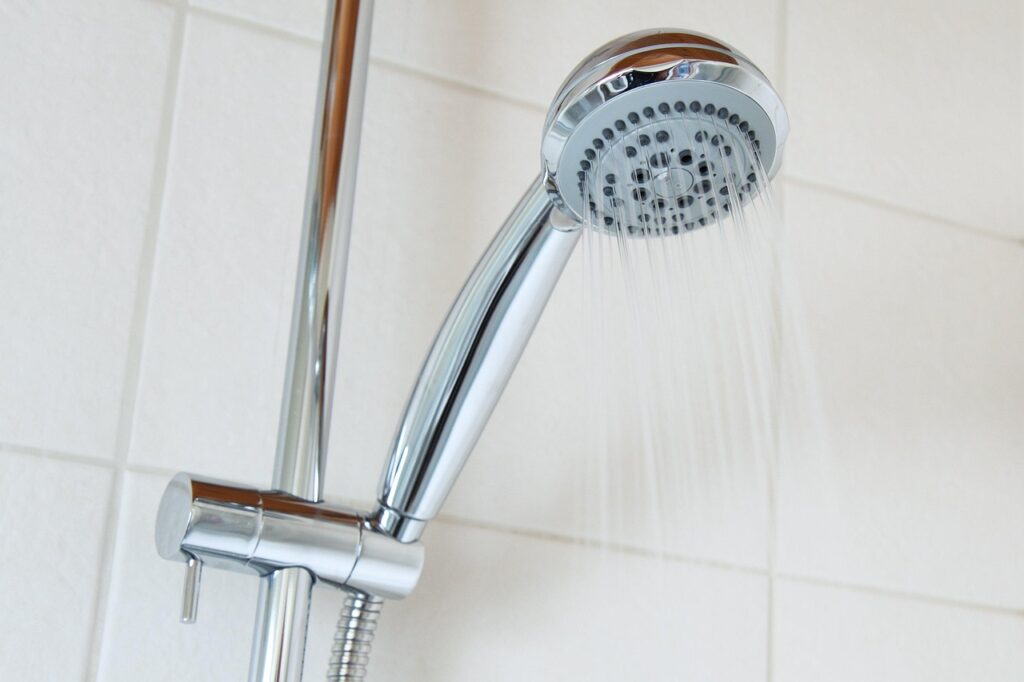
Once you’ve switched your hot water system from off-peak to normal supply, the next step is choosing how to control when it heats. Selecting a suitable hot water system—such as a heat pump, solar hot water system, or a system with a well-insulated tank—can improve hot water availability and energy efficiency.
Solar hot water systems use roof-mounted collectors to capture solar heat and transfer it to a storage tank, while solar panels can also be used to power electric hot water systems. Heat pump systems extract warmth from the surrounding air to heat water, making them more energy-efficient than standard electric storage systems. If your hot water system is consistently running out of hot water, it may be time to consider upgrading to a larger tank or a continuous flow system.
There’s a range of control solutions available to suit different budgets, technical capabilities, and automation preferences, from simple analogue timers that cost under $50 to sophisticated smart relays and solar diverters that automatically route excess solar power to your hot water system. These options give you the flexibility to heat water when it makes the most financial and practical sense for your household.
1. Analogue Timer
A simple and cost‑effective solution that allows your hot water system to operate during selected daytime hours when solar generation is available. Analogue timers can also be set to align hot water heating with off-peak heating periods, maximising cost savings.
2. Catch Relay / Contactor Control
Relays allow electricians to switch your hot water system from controlled load to normal supply, enabling smarter energy use without complex automation. By integrating relays with a control panel, you can manage off-peak settings and optimise hot water heating schedules to align with low-cost electricity periods.
3. Shelly Pro 1 Smart Relay
A professional‑grade smart relay suitable for hot water control. Integrates with home automation and solar systems. Smart relays can be programmed via a control panel to adjust off-peak settings, ensuring hot water availability when needed.
4. myenergi Eddi Solar Diverter
The myenergi Eddi diverts surplus solar or battery energy directly to your hot water system instead of exporting it to the grid. Solar diverters work with solar panels and can also be used with solar hot water systems to maximise the use of renewable energy for water heating.
5. Battery Manufacturer Controlled Outputs
Some battery systems include controlled load outputs that can power hot water systems when battery and solar energy are available.
These systems can also be programmed to heat water during periods of low electricity demand, as determined by your energy provider or electricity provider, to maximise cost savings by taking advantage of off-peak hot water tariffs
Managing Hot Water Usage
Effectively managing your hot water usage is key to enjoying a reliable hot water supply while keeping your energy costs in check. Whether you have a traditional electric storage system, a heat pump system, or are considering solar hot water, understanding how your hot water system operates during off peak hours can make a significant difference to your electricity bills.
Off peak systems, such as electric storage systems and heat pump systems, are designed to heat water during off peak periods—typically overnight—when electricity demand is low and off peak rates are available. By heating water during these designated off peak times, you can take advantage of lower electricity rates and reduce your overall energy bills, all while helping to ease pressure on the grid during peak hours.
To get the most out of your hot water system, it’s important to monitor your household’s usage patterns. Identify when your family’s peak hot water demand occurs, such as morning showers or evening dishwashing. If you have high hot water usage, like multiple back to back showers in the morning, you may need a larger hot water tank or a continuous flow system to ensure you always have reliable hot water available.
Regular maintenance is also essential for optimal performance and energy efficiency. Check your hot water tank’s thermostat and heating element periodically, and make sure the tank is well insulated to prevent unnecessary energy consumption. A well-maintained system will heat water more efficiently and help you avoid unexpected cold water surprises.
Understanding your energy provider’s off peak schedule is another crucial step. Off peak electricity times can vary by location and provider, but they are typically overnight when electricity demand is at its lowest. By aligning your hot water heating with these off peak periods, you can maximize cost savings and avoid paying peak rates.
Sometimes, you may need to override your off peak hot water settings to heat water immediately—perhaps after extra guests or unexpected high hot water usage. Most systems allow you to do this via a booster switch or control panel, giving you flexibility when you need it, though this may result in higher electricity costs if used frequently.
Heat Pump Hot Water Systems: The Best Long‑Term Solution
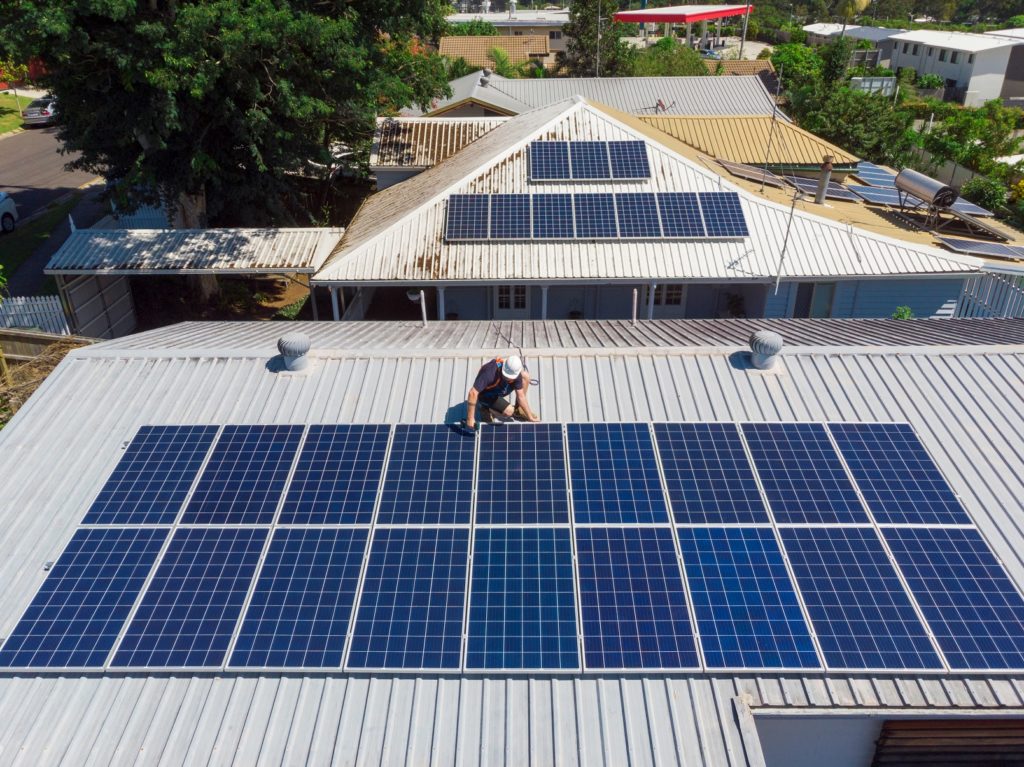
Heat pump hot water systems are up to four times more efficient than traditional electric systems. They are ideal for solar and battery homes and offer the greatest long‑term savings.
How heat pumps work
Unlike conventional electric hot water systems that use a heating element to directly heat water, heat pump systems work like a reverse refrigerator. They extract heat from the surrounding air and transfer it to the water tank using a small compressor and a refrigerant cycle.
This process uses roughly one-quarter of the electricity required by a standard resistive element system to heat the same amount of water. Even on cooler days, modern heat pump systems can efficiently extract enough ambient heat to maintain a hot water supply for your household.
Why they’re perfect for solar homes
Heat pump hot water systems typically use up to 70% less energy to heat water than their electric counterparts, making them much more energy efficient. This lower power draw means they’re far easier to run entirely on solar during the day without significantly draining your battery reserves or requiring grid power.
Many heat pump models can be programmed to run during peak solar generation hours, ensuring your hot water is heated using clean, free energy from your roof rather than expensive grid electricity.
Long-term financial benefits
While heat pump systems have a higher upfront cost than standard electric models (typically ranging from $3,000 to $5,500 installed), the energy savings quickly add up. Most households see a 60-75% reduction in hot water running costs compared to their previous electric system.
When combined with solar power, many homeowners achieve a payback period of just 3-5 years, after which they enjoy essentially free hot water for the 10-15 year lifespan of the unit. There are also government rebates and incentives available in many states that can significantly reduce the initial investment.
Key Takeaways
- Off-peak hot water systems waste solar/battery potential, as off-peak hours tend to be at night when your solar system isn't producing energy.
- Homeowners can switch their hot water to normal supply and control water heating using options like analogue timers to smart relays and solar diverters that automatically route excess solar power to the hot water system.
- Heat pump systems are the best long-term solution, as they are up to 4 times more efficient than traditional electric systems, using 70% less energy and ideal for solar homes.
- Significant savings opportunity by using a solar power and battery system, rather than relying on automated off-peak solutions that still use electricity from the grid.
Ready to Make the Switch? Contact Fix Electrical
If your hot water system is still on off‑peak control load, you could be wasting valuable solar and battery energy.
FIX Electrical can assess your setup and recommend the best solution — from smart timers and relays to solar diverters or a complete heat pump upgrade. It’s important to choose the right hot water system for your needs, and FIX Electrical’s experienced team can work with you to ensure you get the most cost-effective and efficient setup.
Take control of your hot water energy use and reduce your electricity costs – contact Fix Electrical Contractors today or call us on (02) 4703 4622 for your free consultation!

Adrian Faull
Adrian Faull is the founder of Fix Electrical Contractors. He is proud to lead a team of qualified electricians and support team that are experts in the field, who will work with you to ensure you’re getting the best electrical solution for your needs.
Adrian Faull
Adrian Faull is the founder of Fix Electrical Contractors. He is proud to lead a team of qualified electricians and support team that are experts in the field, who will work with you to ensure you’re getting the best electrical solution for your needs.